
A recent column in Automotive News has reignited a debate the car industry has been skirting for years: are modern vehicles simply too complex – and too expensive – for their own good?
Writer Jerry Hirsch points to a stark reality in the US market. The Toyota RAV4 – America’s best-selling non-pick-up vehicle – now averages over US$41,500 (£30,750), up from around US$33,200 (£24,600) in 2021. Once you factor in fuel, insurance and maintenance, total ownership costs are pushing US$1,000 (£740) per month.
Hirsch poses a simple argument: Carmakers should build smaller, more efficient vehicles with strong safety credentials, but strip out much of the embedded infotainment. Instead, rely on smartphone connectivity such as Apple CarPlay and Android Auto, letting drivers bring their own navigation and entertainment.

While the numbers are US-based, the argument feels just as relevant in the UK. New car prices have climbed sharply here too, driven by electrification, regulation and an ongoing push towards software-heavy vehicles.
There’s also growing evidence that drivers don’t actually want – or use – much of the tech they’re paying for. Last year, a survey by Carwow found that more than 60% of drivers think modern in-car tech is at least somewhat excessive or distracting. Similar research from Which? showed that more than half of drivers are turning off safety systems, often because they find them intrusive. Not much has changed since a 2021 survey by Dacia suggested that most UK buyers would rather pay less and just get the features they actually use.
This isn’t just a theoretical shift, either. US start-up Slate Auto, backed by Amazon founder Jeff Bezos, is working on a back-to-basics electric pick-up built around this exact idea. It does away with a traditional infotainment system altogether, replacing it with a simple phone mount and USB power, and focuses instead on keeping costs down and letting owners add what they want later.
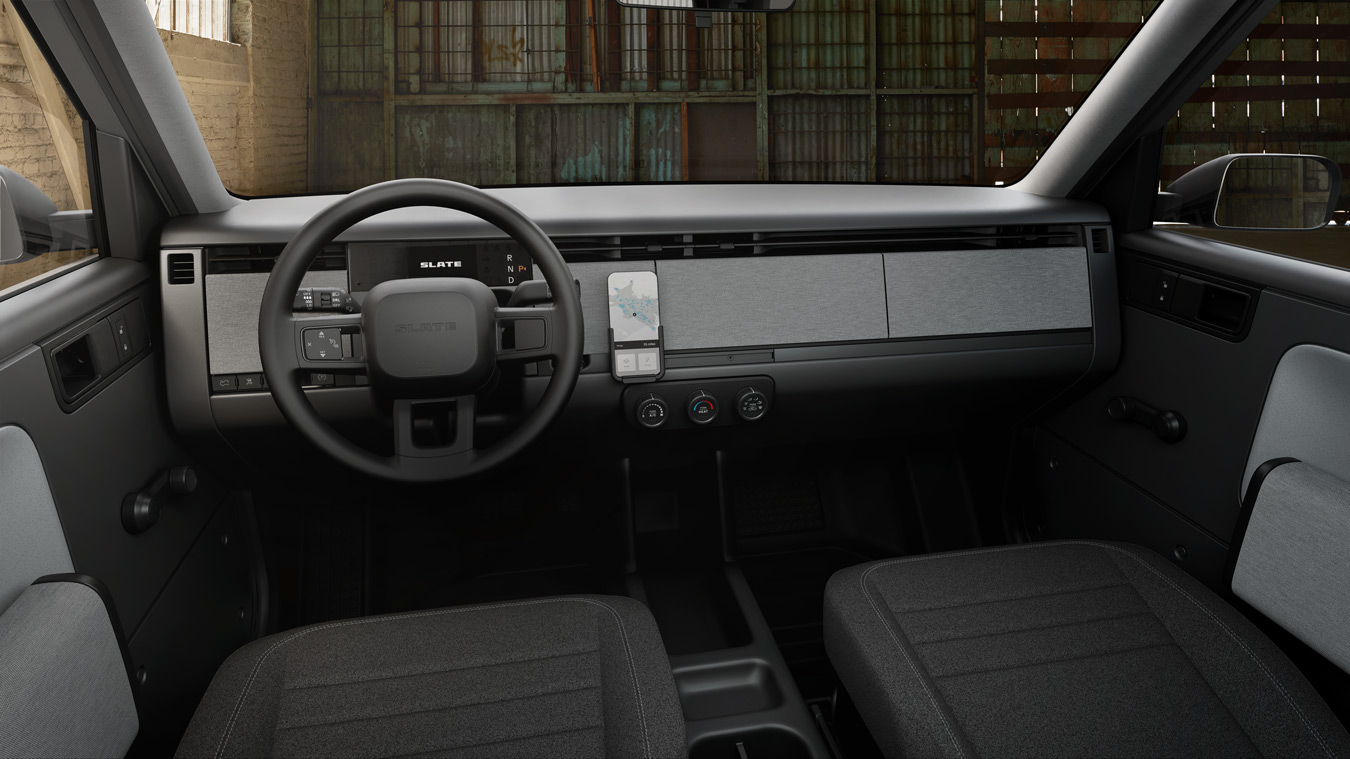
That kind of thinking could have big implications for the aftermarket. If carmakers step back from all-in-one, built-in systems, it opens the door for more flexible, upgradeable solutions, from infotainment to audio. Instead of being locked into whatever the factory fitted, drivers could pick and choose what suits them.
None of this is about ditching technology completely. The right systems, especially around safety and connectivity, still matter. But there’s a growing sense that the balance has tipped too far, with too much complexity adding cost without adding real value.
Hirsch’s point cuts through because it’s hard to argue with. If cars are becoming unaffordable, loading them with even more tech probably isn’t the answer.


© Copyright 2026 Smart Media Publishing. All Rights Reserved.