

Warwick Acoustics has described its role in developing the SV Electrostatic Sound system for the Range Rover SV Ultra, revealed back in April, marking a major milestone for the British company.
Described as the world’s first electrostatic in-car audio system to enter production, the technology brings a type of speaker previously found in high-end home audio systems and headphones into a road car for the first time.
The system is the result of five years of collaboration with Range Rover and several specialist audio suppliers, building on more than 20 years of electrostatic audio research and development at Warwick Acoustics.
Warwick Acoustics developed the electrostatic panels and electrical drive systems at the heart of the system. Inside the Range Rover SV Ultra, 21 panels house 55 individual sound radiators, positioned throughout the cabin, including in the headlining, headrests and seatbacks.
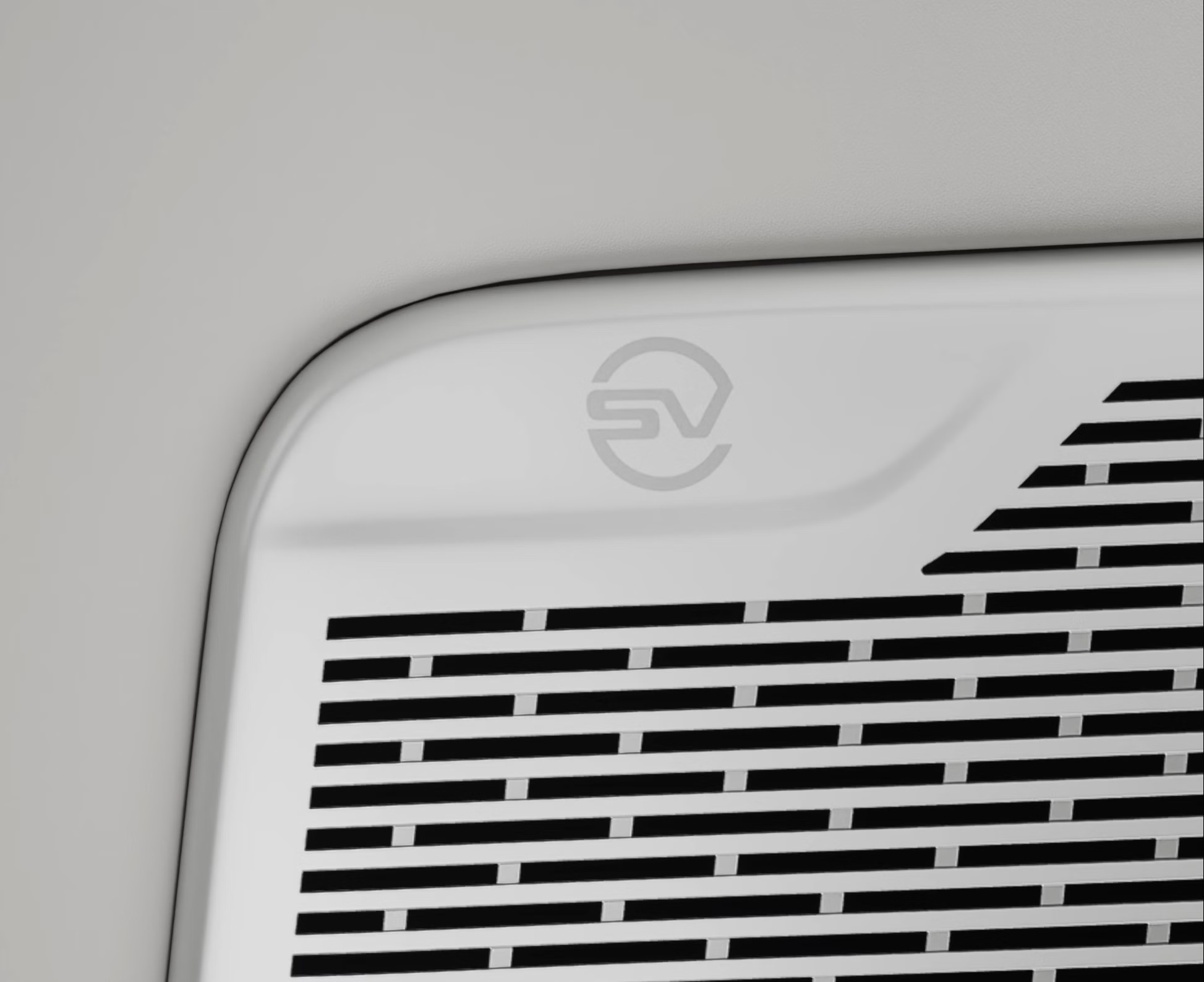
Unlike conventional speakers, which use a moving cone to generate sound, electrostatic speakers have an ultra-light membrane suspended between two perforated metal plates. Just 1mm thick, the membrane responds to changes in the electric field with exceptional speed and precision.
According to Warwick Acoustics, it can respond up to 1,000 times faster than a conventional speaker cone, helping to preserve the subtle details and natural character of instruments and voices.

The company says the result is a more realistic, detailed sound with a greater sense of spaciousness. The electrostatic panels are said to produce near-flat sound waves, creating the impression that music is coming from much further away than the physical confines of the cabin – potentially as far as 30m.
The system also works alongside five conventional bass speakers and Range Rover’s Body and Soul Seats (BASS) and Sensory Floor technologies, which use vibrations to let occupants feel the music as well as hear it.
The benefits aren’t limited to sound quality. Warwick Acoustics says its electrostatic speakers are 90% lighter and use up to 90% less energy than equivalent conventional speakers.
They also contain no rare earth elements and are made entirely from upcycled, recyclable materials – potentially important advantages as manufacturers look to reduce the weight and environmental impact of vehicle components.

The system has undergone more than 1,000 hours of testing in extreme temperatures, from -20 to +65 degrees C, as part of Range Rover’s development programme.
Warwick Acoustics CEO Gary Waters, who was appointed earlier this month after previously working at Bose, described the launch as a pivotal moment for the company, highlighting the emotional response from people hearing the system for the first time.
He said the aim was to create an experience so transparent and realistic that listeners feel transported to the artist’s recording studio or theatre.
While the Range Rover SV Ultra provides a suitably luxurious showcase for the technology, Warwick Acoustics sees this as the beginning rather than the end of its automotive ambitions.
The company believes electrostatic audio could have applications across a much wider range of transport, including commercial aviation, high-speed and commuter rail, marine transport and electric vertical take-off and landing aircraft.
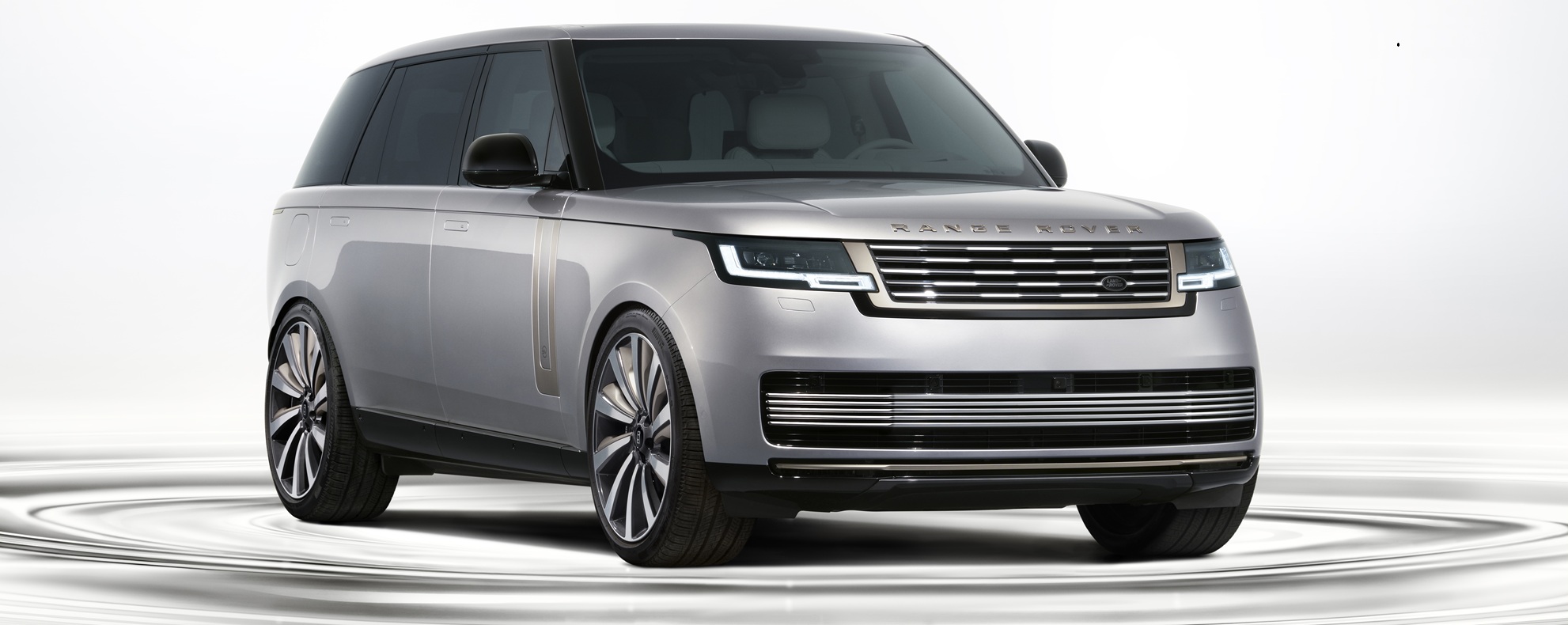
For now, the technology remains exclusive to the Range Rover SV, with models equipped with SV Electrostatic Sound on sale in the UK, Europe, the US and China.
It’s an impressive achievement for a company that has spent two decades developing the technology, and an interesting example of how specialist audio engineering could shape the next generation of in-car entertainment.


© Copyright 2026 Smart Media Publishing. All Rights Reserved.