

The move from 12V to 48V electrical systems could become one of the biggest changes in automotive technology over the next decade – and Panasonic Automotive Systems believes car audio needs to evolve alongside it.
Working with Texas Instruments, the company has developed a premium audio platform specifically designed for emerging 48V vehicle architectures, which are expected to become increasingly common in hybrid and electric vehicles.

While most cars today still rely on 12V electrical systems, manufacturers are gradually investigating 48V platforms as a way of reducing vehicle weight, lowering wiring costs and supplying more power to increasingly sophisticated technologies such as steer-by-wire, advanced driver assistance systems and AI-powered features.
For audio engineers, however, the transition presents a challenge.
Many of today’s amplifier designs were developed around 12V systems, and relatively few components currently exist specifically for 48V applications.
“It’s not a question of if 48V proliferates, but when,” said Daniel Gavora, staff electrical engineer at Panasonic Automotive Systems. “We’re developing solutions we have confidence in now, so we can be ready for mass adoption later.”
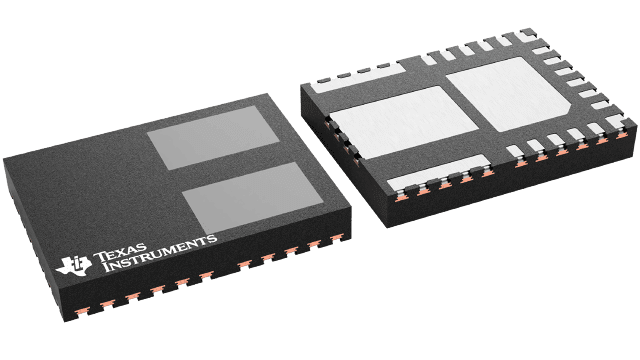
Rather than redesigning its entire premium audio platform from scratch, Panasonic has adapted its existing system using Texas Instruments’ latest integrated power technology, allowing engineers to retain the same circuit board layout while reducing component count and improving efficiency.
The result is a lighter, more compact and more thermally efficient audio platform capable of operating on future 48V vehicle architectures without sacrificing sound quality.
Panasonic says the new design also simplifies manufacturing, helping vehicle makers adopt 48V electrical systems sooner while reducing development time and supply chain complexity.
For drivers, the change will largely happen behind the scenes.

But as vehicles continue to evolve into software-defined, electrically powered platforms packed with ever more technology, the shift to 48V could become just as important for premium factory sound systems as it is for vehicle performance and efficiency.
It’s another reminder that the future of car audio isn’t just about bigger speakers or more powerful amplifiers – it’s increasingly being shaped by the electrical architecture sitting underneath the dashboard.


© Copyright 2026 Smart Media Publishing. All Rights Reserved.