
Sennheiser Mobility believes headrest speakers and more powerful in-car processors could allow drivers and passengers to enjoy separate audio experiences, from music and video to phone calls and navigation prompts.
In a new LinkedIn article, Benjamin Dürrenberger, lead audio software developer at Sennheiser Mobility, explains how the technologies could move automotive audio beyond a single shared sound system.
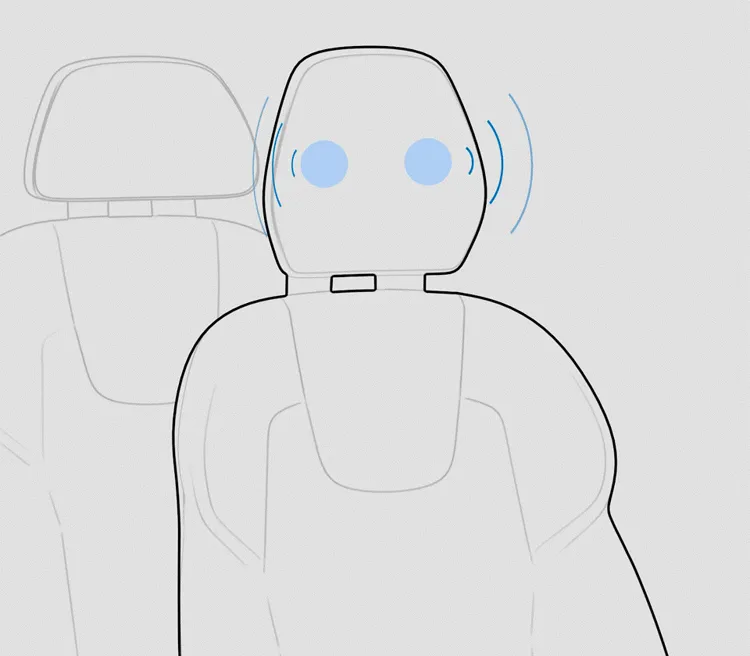
Headrest speakers can deliver sound more directly to individual occupants, potentially allowing a rear-seat passenger to watch a video while the driver hears navigation instructions and another passenger takes a phone call. The aim is to minimise interference between these activities without making the cabin feel disconnected.
“Personalisation should never lead to isolation,” says Dürrenberger. “The goal is to give each passenger the right experience at the right moment while maintaining a consistent atmosphere inside the vehicle.”
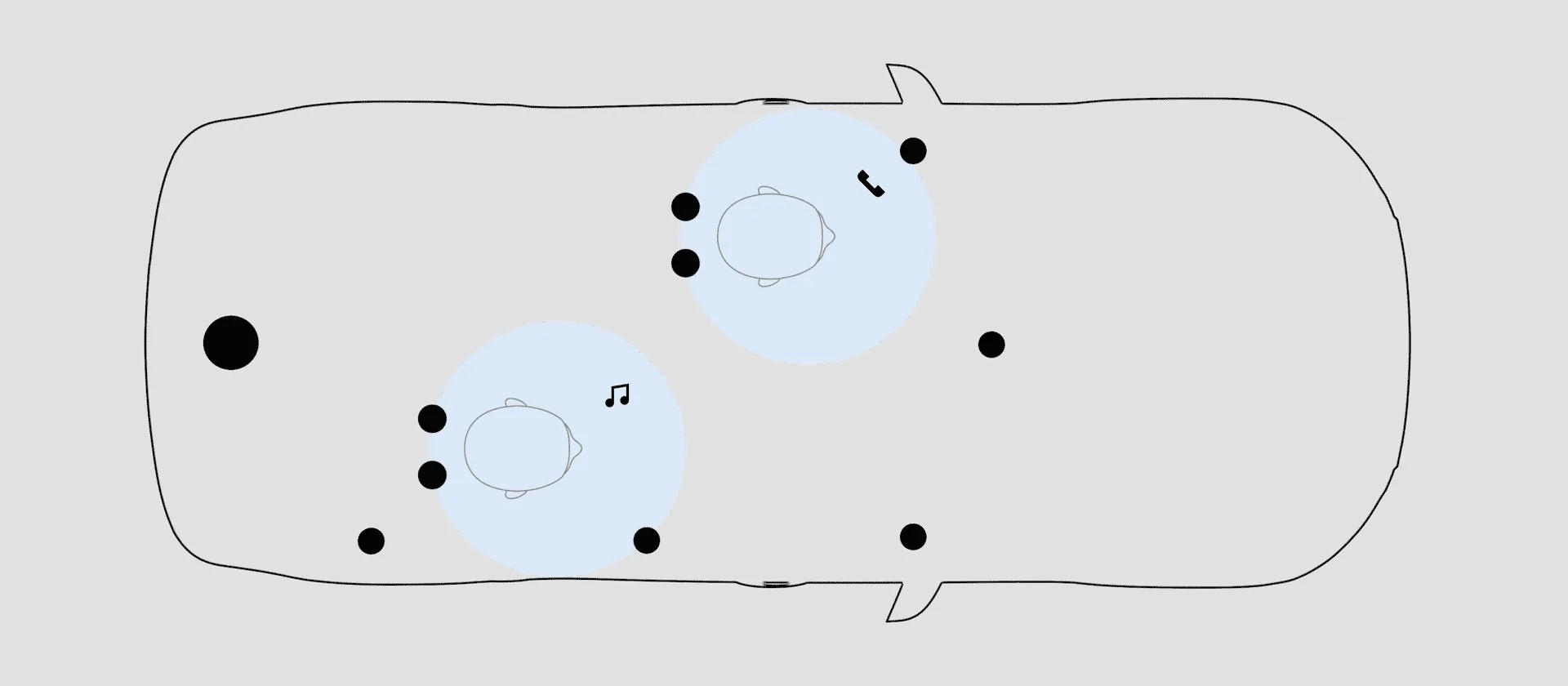
Powerful automotive processors could help make this possible by managing multiple audio streams and adapting playback to changing conditions. Sennheiser says its algorithms can adjust music levels and sound characteristics in response to road, wind and tyre noise, reducing the need for drivers to keep changing the volume manually.
The technology could also allow occupants to switch between individual and shared listening. A family might enjoy the same music before one passenger switches to a phone call or separate entertainment, for example, without interrupting everyone else.
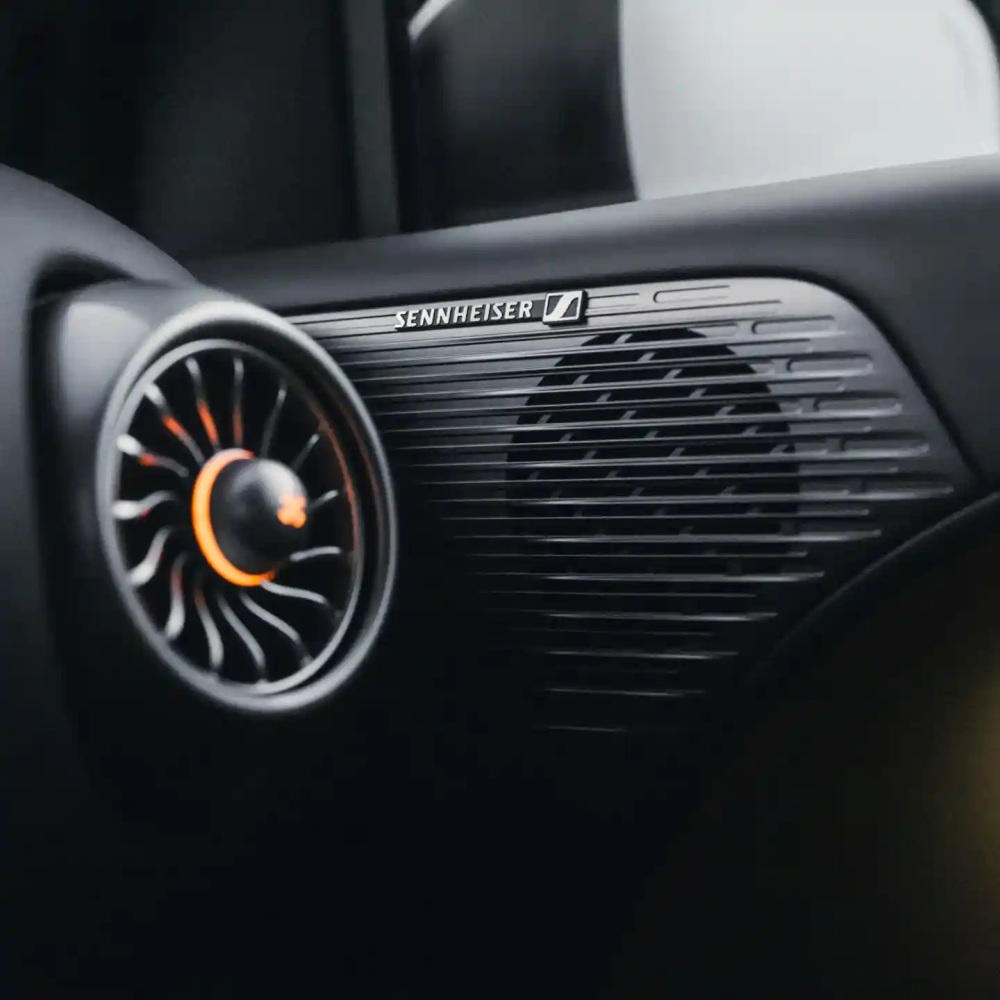
Sennheiser sees the approach becoming increasingly relevant as cars accommodate more digital activities, particularly as automated driving technology potentially gives occupants greater freedom to use their time in the vehicle differently.
However, the company stresses that better audio is not simply about adding speakers or processing effects. Clarity, balance and musical impact remain important, while the technology must work with the vehicle’s acoustics, speaker positioning and computing hardware.
Realising this vision will require close collaboration between carmakers, audio specialists and software teams. Sennheiser has not announced a timetable for widespread adoption of the personal audio-zone concept, but its approach points towards a future in which in-car sound is tailored to individual occupants rather than shared by the entire cabin.


© Copyright 2026 Smart Media Publishing. All Rights Reserved.