
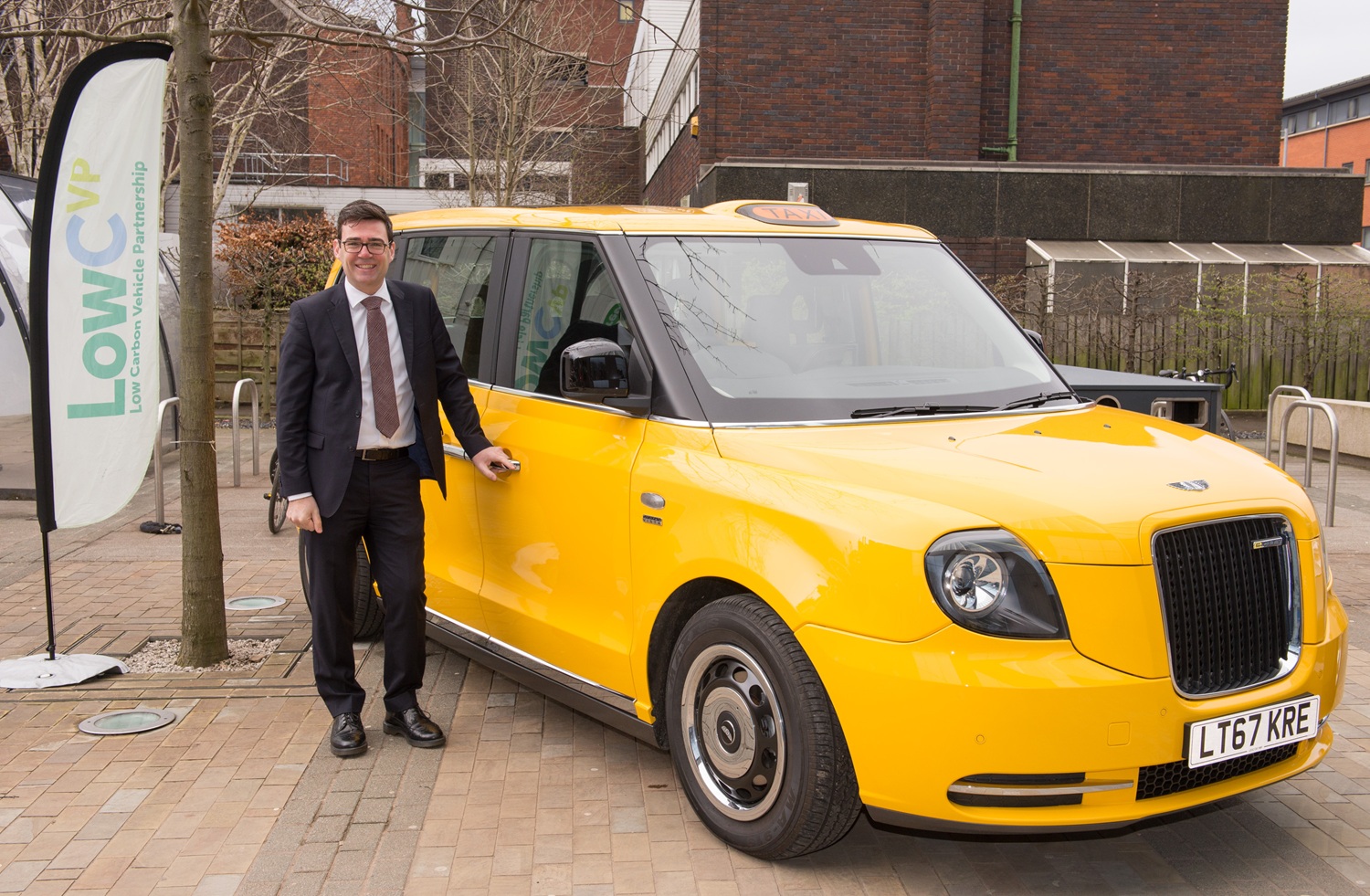
Keir Starmer’s resignation has triggered a Labour leadership contest, with former Greater Manchester mayor Andy Burnham emerging as the clear favourite to take over as prime minister.
While car audio, vehicle security and aftermarket installation are unlikely to feature high on any immediate policy agenda, Burnham’s existing positions on retail, taxation and infrastructure could have knock-on effects for independent businesses across the UK.
For an industry built heavily around local installers, specialist retailers and regional workshop networks, even indirect policy shifts can matter.
One of Burnham’s most consistent themes in recent years has been reform of business rates. He has previously backed scrapping them entirely for single-site independent businesses, alongside reductions for hospitality and cultural venues.
For car audio retailers and installers operating from physical premises – often a single workshop with a small showroom attached – that kind of change would be closely watched.
Lower fixed costs would not only ease pressure on margins, but could also free up investment for demonstration vehicles, demo boards, and higher-end installation equipment.
Burnham has also suggested funding parts of business rates reform by increasing taxes on large online warehouse operations.
For independent aftermarket retailers competing with online marketplaces selling head units, dash cams and speakers at aggressive prices, any policy aimed at narrowing that gap would likely be welcomed.
The reality for most installers is already a hybrid market: customers often research and buy online, then seek local fitting expertise afterwards. Any shift in pricing dynamics between online and physical retail would feed directly into that balance.
Less headline-grabbing, but still relevant, is Burnham’s focus on household and business energy costs.
For many installers, energy is a background but unavoidable cost: lighting for showrooms, workshop equipment, heating large spaces and, increasingly, supporting EV-related diagnostics and installs.
Even small changes in business energy pricing can feed through into pricing pressure on labour rates and installation costs.
If there is a consistent theme running through industry reaction to political change, it is less about specific policies and more about certainty. Installers, retailers and fleet-focused businesses often make investment decisions years in advance – from premises and tooling to stock and demonstration vehicles.
Whether it is business rates, energy pricing or online retail competition, the direction of travel matters more than the individual headline. For now, that direction is still being written.


© Copyright 2026 Smart Media Publishing. All Rights Reserved.