

With UK temperatures expected to peak around 34 degrees C in parts of the country this week, one dash cam manufacturer is reminding drivers that in-car electronics may be under more stress than they realise.
iRoad is a premium Korean brand distributed in the UK by Parksafe Automotive. It has warned consumers that while most attention when buying a dash cam focuses on resolution, night vision and connectivity, greater emphasis should be placed on long-term durability – particularly heat resistance inside parked vehicles.
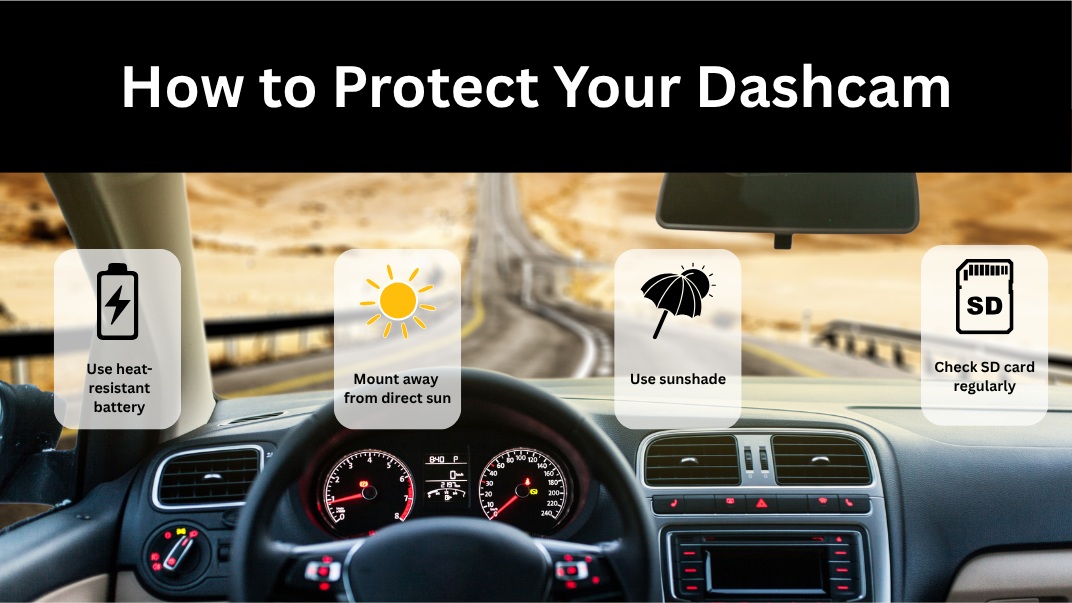
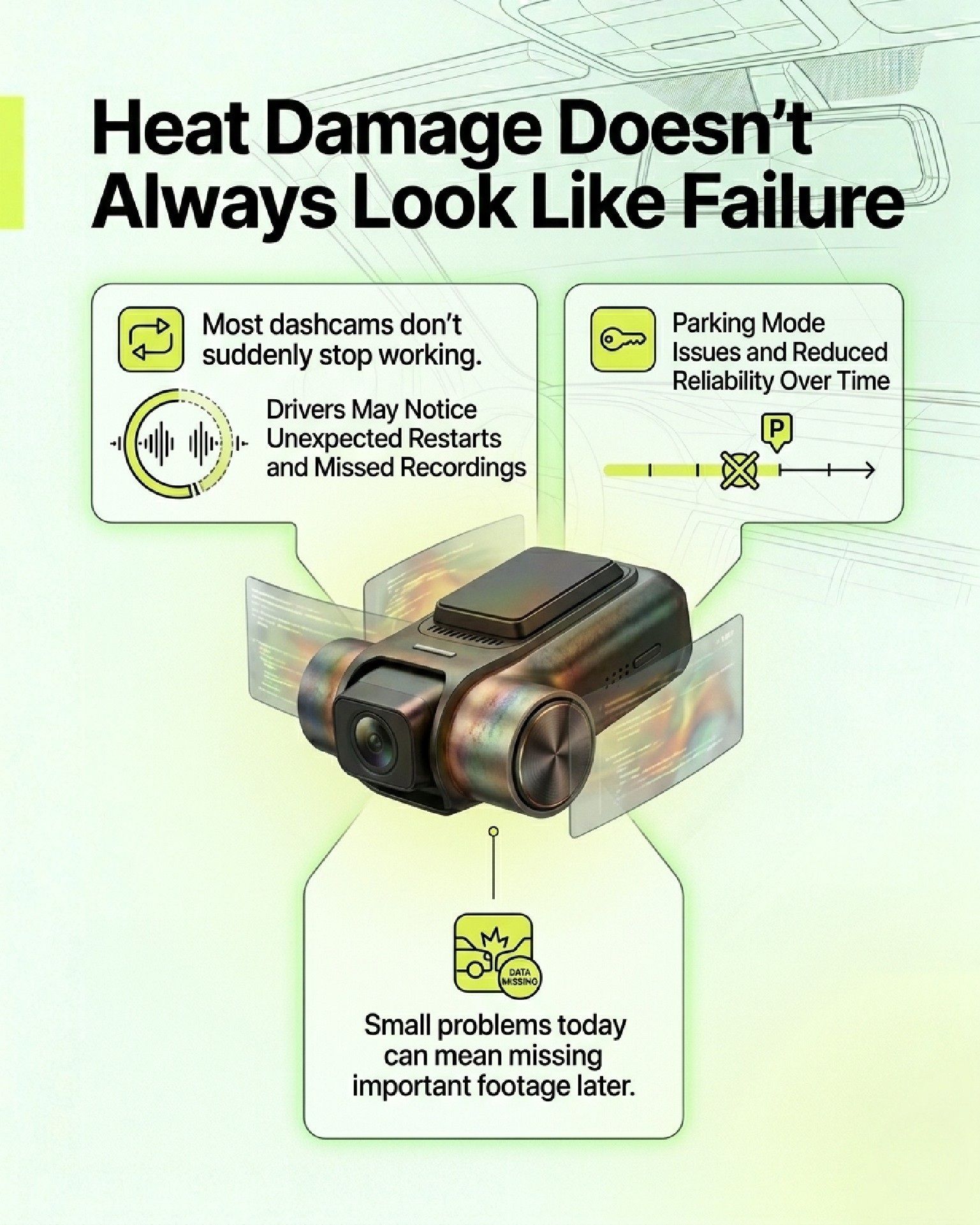
High cabin temperatures don’t always cause immediate failure, the company adds. Instead, prolonged exposure can lead to gradual issues such as rebooting, missed recordings, corrupted footage or unstable parking mode performance. With internal cabin temperatures exceeding 60 degrees C during hot weather, even when outside air sits in the low 30s, that effectively turns a parked car into a prolonged heat chamber for any electronics mounted behind the windscreen.
Even when subject to heat damage, a dash cam may continue to power on and record, but performance can become inconsistent over time, particularly during sustained heat cycles.
iRoad stresses that thermal stability should be a key consideration alongside traditional features such as resolution, HDR processing and connectivity. Its upcoming products, including the FX3, FX3 Pro, X10 Pro and X11 Pro, all use Sony Starvis or Starvis 2 sensors and advanced imaging systems, but also emphasise long-term reliability through capacitor-based power systems designed to better withstand extreme temperatures compared with traditional battery-based units.
The wider takeaway is simple: specification sheets for dash cams don’t always tell the full story. Operating temperature range, component design and manufacturer testing are becoming just as important as video quality.
.jpg)
As the UK enters another spell of intense summer heat, drivers may want to think beyond headline features and consider how well devices will perform not just on day one, but after months of exposure to real-world conditions.
Because a dash cam’s true value isn’t how impressive it looks in a product listing – it’s whether it still records when it matters most.


© Copyright 2026 Smart Media Publishing. All Rights Reserved.