
If you’ve ever tried to read a car screen in direct sunlight and thought, “This looks like a Nokia from 2003,” Harman would like a word. The Samsung-owned tech giant has just become the first company to achieve HDR10+ Automotive certification for its Ready Display platform – which, in normal human terms, means your car screen can finally behave like a modern TV.
HDR10+ Automotive is a new standard designed specifically for cars, where lighting conditions swing wildly between blazing sunshine, dark tunnels, and that weird half-light you get at 6pm in winter. Unlike regular HDR, this one’s adaptive – constantly tweaking brightness, contrast, and colour in real time, so what you see on screen doesn’t wash out the second the sun pops out.
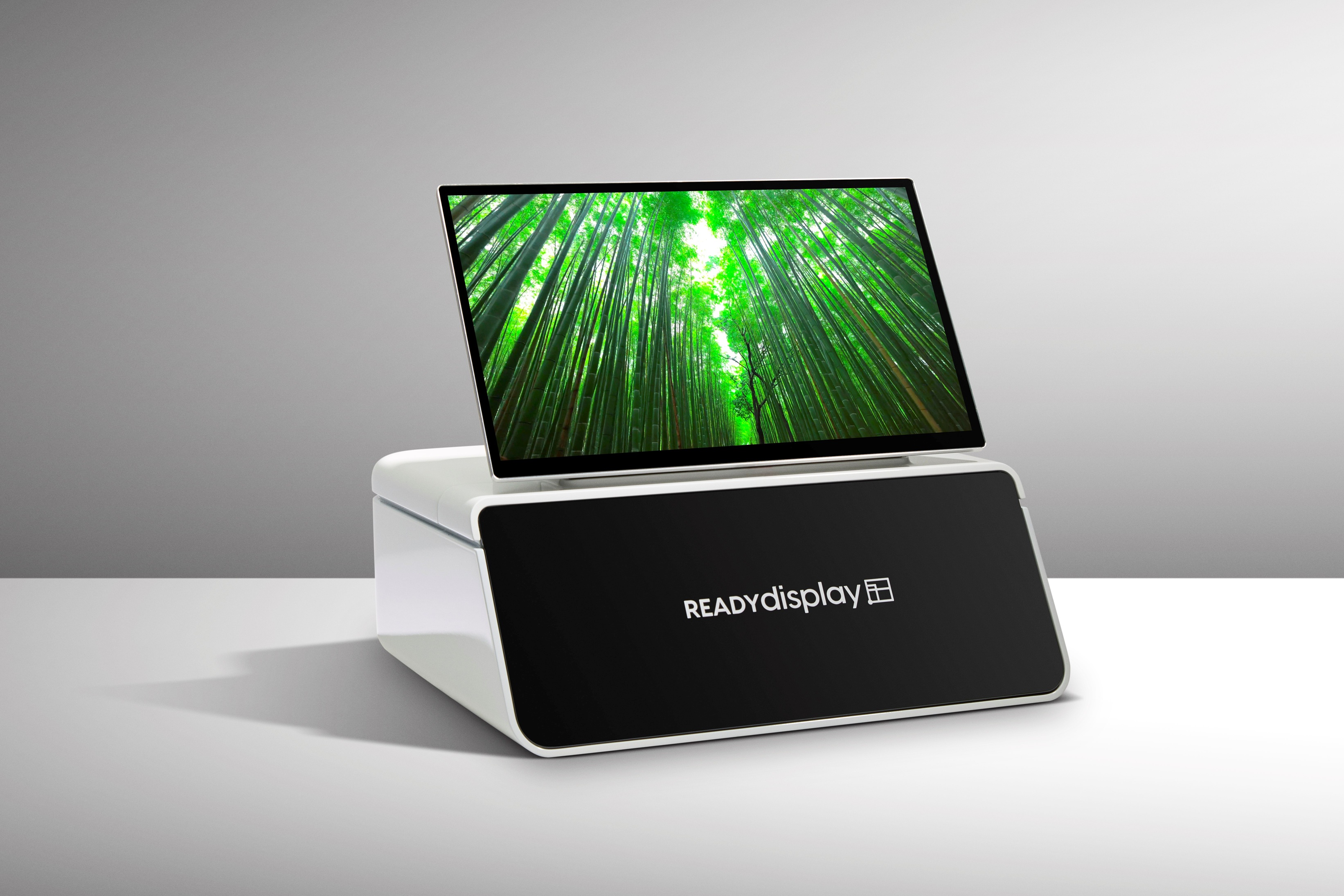
Harman didn’t just stumble into this either. It worked alongside Samsung and Panasonic to help define the HDR10+ Automotive spec, and its Ready Display is now the benchmark others will be measured against. The certification involves some pretty serious testing too – making sure visuals stay consistent across angles, lighting conditions, and real-world driving scenarios.
Under the bonnet (digitally speaking), Ready Display uses Samsung Neo QLED tech, with intelligent image processing that reacts to the cabin environment. The range includes the NQ3, NQ5, and NQ7 displays – all built to survive the visual chaos of modern driving, from midday glare to night-time neon.
Why does this matter? Because cars are now rolling digital lounges. Whether it’s navigation, vehicle info, or streaming something while charging, screens matter more than ever – and blurry, dim displays just won’t cut it anymore.
So yes, your car probably still can’t make popcorn. But visually? It’s getting dangerously close to home cinema territory.


© Copyright 2026 Smart Media Publishing. All Rights Reserved.