
AI is rapidly moving beyond voice commands and sat-nav tweaks – and the next step could turn your car into something closer to a full-time digital assistant than a traditional vehicle.
Most modern systems already handle basics like climate control, media and navigation. But research highlighted across the automotive industry suggests that’s just the starting point.
Analysts at Global Market Insights expect the global automotive voice-recognition market to reach US$9.9 billion (£7.24 billion) by 2034, up from US$3.7 billion (£2.7 billion) in 2024 – driven by more natural, conversational AI powered by large language models (LLMs). Instead of memorising commands, you just talk to the car like you would a person.

“If properly done, this can become a game changer,” advisory firm Gartner’s vice president of research, Pedro Pacheco, told Automotive News, pointing to systems that could soon go beyond in-car functions and start handling external tasks – like booking services, scheduling meetings, or managing your diary while you’re on the move.
That’s where things start to get interesting.
Instead of just saying “set temperature to 21 degrees”, future systems could respond to “I’m cold” or “I need coffee” – and act on context, not just instruction. Navigation could also become more predictive, adjusting routes based on events, weather, or even your routine rather than simply reacting to traffic.
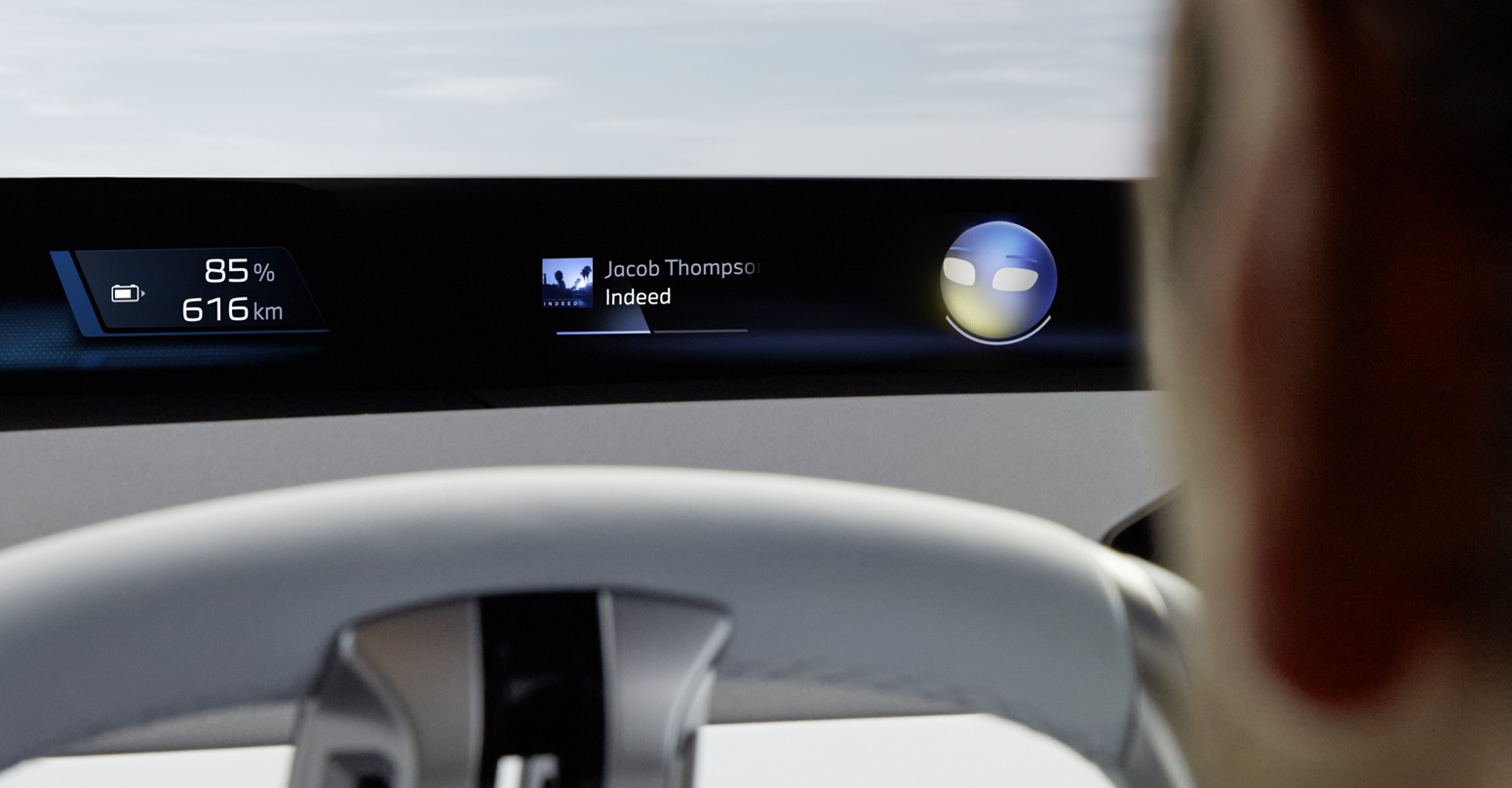
Some manufacturers are already pushing in this direction. Mercedes-Benz is developing a more emotionally aware “digital companion” within its MBUX system, while BMW is rolling out next-gen assistants built on Amazon’s Alexa+ for more natural interaction. Tesla, meanwhile, is integrating its Grok chatbot from xAI, offering a more conversational, personality-driven experience.
The ambition goes beyond convenience. Several reports suggest AI assistants could reduce distraction by removing the need for touchscreens and manual inputs, while supporting safety-critical tasks like navigation and warnings in real time.
There’s also a growing expectation that these systems will link into wider digital life – interacting with your home, calendar, emails and even work systems. In effect, your car stops being a standalone machine and becomes part of a connected personal ecosystem.

But the shift isn’t without challenges. More advanced AI systems mean more reliance on chips, cloud processing and data infrastructure – all of which add cost and complexity. There are also ongoing questions around privacy, data handling and regulation, particularly under frameworks like the EU AI Act and GDPR.
Still, the direction of travel is clear. Cars are already computers on wheels – AI just changes what those computers are capable of doing.
And if the industry gets it right, the car may no longer just take you places. It may actively run parts of your life while it does it.


© Copyright 2026 Smart Media Publishing. All Rights Reserved.