
Artificial intelligence (AI) isn’t just changing how we write emails or search the web – it’s rapidly becoming one of the biggest talking points in automotive audio.
That’s the theme behind next week’s Audio Engineering Society (AES) 6th International Automotive Audio Conference, which takes place in Huntington Place, Detroit from July 29-31 under the banner “Automotive Audio in the AI Era.”
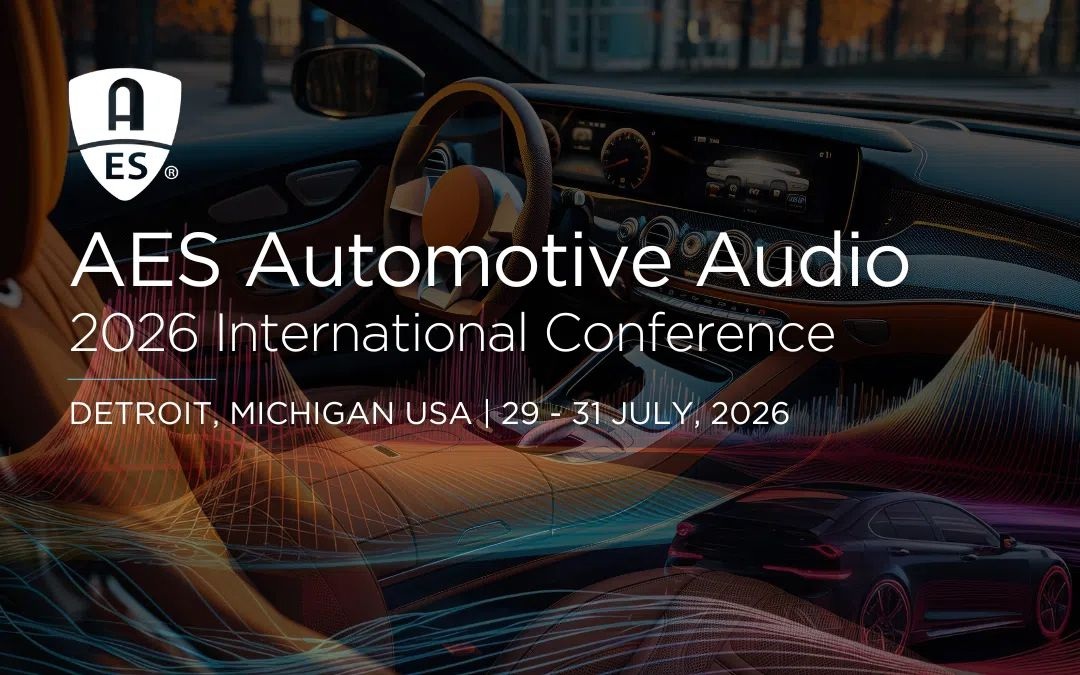
The annual conference has become one of the industry’s most important technical gatherings, bringing together engineers and researchers from many of the companies shaping tomorrow’s DDSP: Differentiable Digital Signal Processing in-car entertainment systems. This year’s programme reflects just how quickly automotive audio is evolving beyond simply making music sound better.
Sessions will explore everything from AI-powered sound synthesis and immersive cabin audio to advanced DSP, software-defined vehicles and the unique acoustic challenges posed by electric cars. One of the headline presentations comes from Abbey Road Studios’ head of audio products, Mirek Stiles, who will discuss how nearly a century of recording innovation is now influencing automotive audio.
Stiles has already helped bring Abbey Road’s sonic signature into production cars through the Abbey Road Sound Mode developed with Bowers & Wilkins for the Volvo EX90 and Polestar 3, giving drivers access to studio-inspired sound processing.
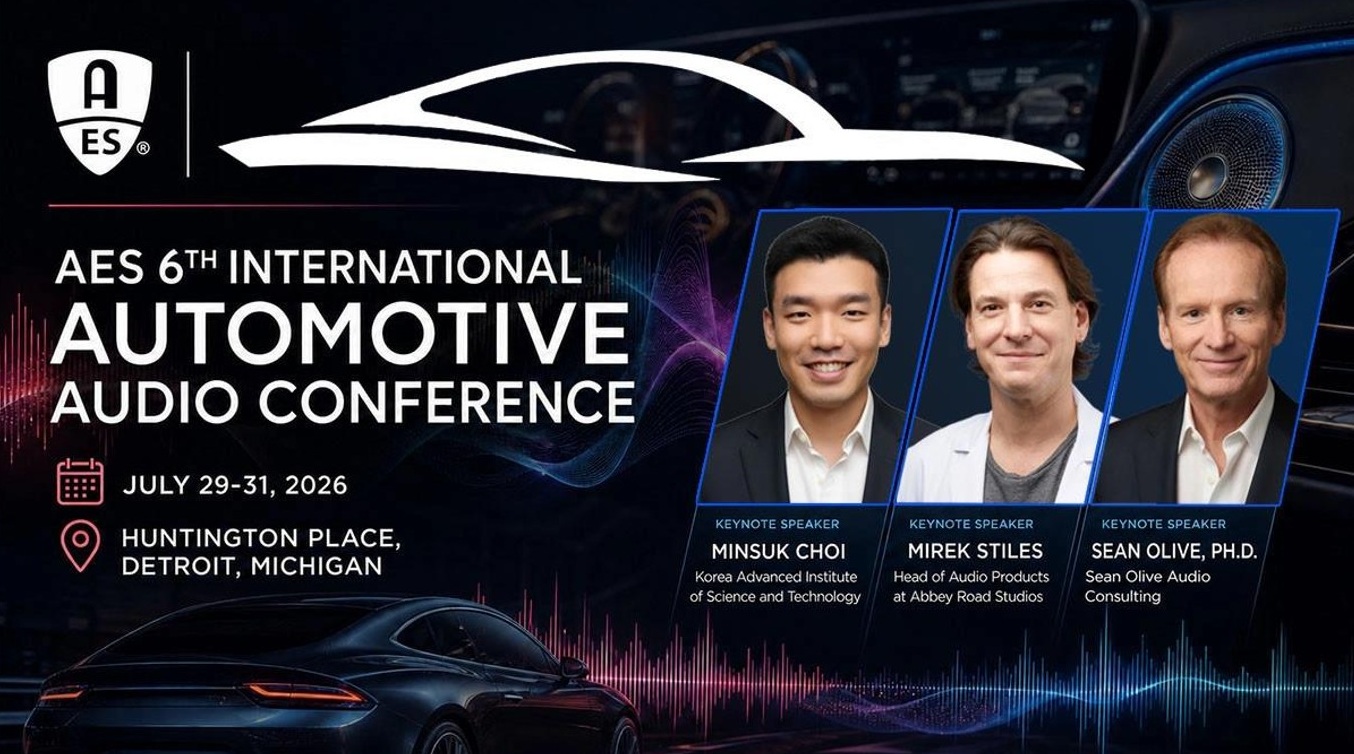
Another keynote will see respected acoustics researcher Dr Sean Olive examine how automotive sound systems are evaluated, covering perceived sound quality, spatial imaging and listener preference inside the cabin. Olive spent more than 30 years at Harman and remains one of the industry’s leading authorities on psychoacoustics.
The conference also highlights how AI could fundamentally change vehicle sound design. Researchers from the Korea Advanced Institute of Science and Technology (KAIST) will present a neural sound synthesis system capable of generating realistic vehicle sounds using driving data collected directly from a car’s CAN-Bus. Rather than simply reproducing engine recordings, the system uses Differentiable Digital Signal Processing (DDSP)and machine learning to generate convincing, controllable sound in real time – technology that could play a significant role in future electric vehicles and driving simulators.
The list of sponsors underlines the importance of the event, with companies including Bose, Harman, Hyundai Mobis, Panasonic Automotive Systems, Pioneer Automotive Technologies, Qualcomm, Sennheiser, Analog Devices, NXP, DSP Concepts, Klippel and Premium Sound Solutions all supporting this year’s conference.
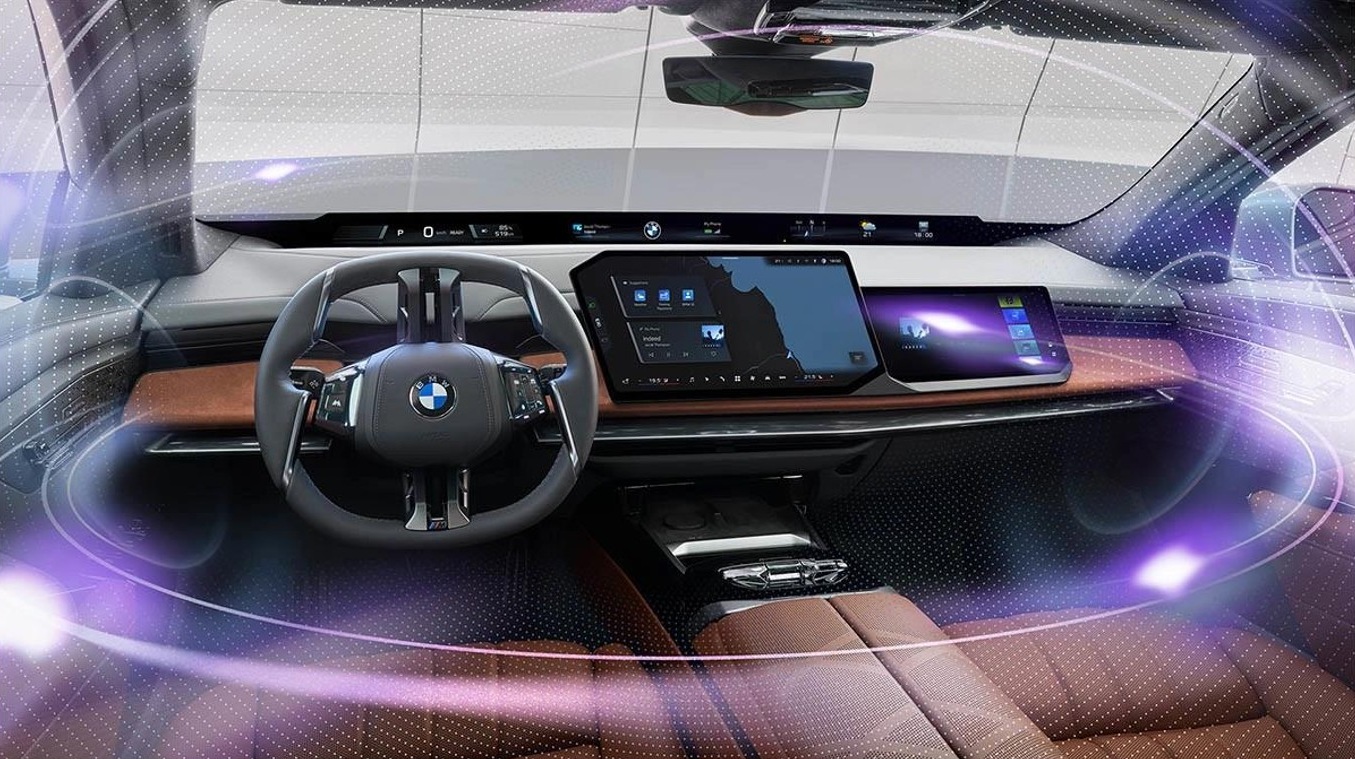
As cars continue their transition into software-defined platforms, automotive audio is becoming far more than speaker tuning. It’s now touching AI, user experience, active sound management, immersive entertainment and even the synthetic sounds future electric vehicles will make.
If you want a glimpse of where in-car audio is heading over the next decade, Detroit is probably the place to be next week.


© Copyright 2026 Smart Media Publishing. All Rights Reserved.